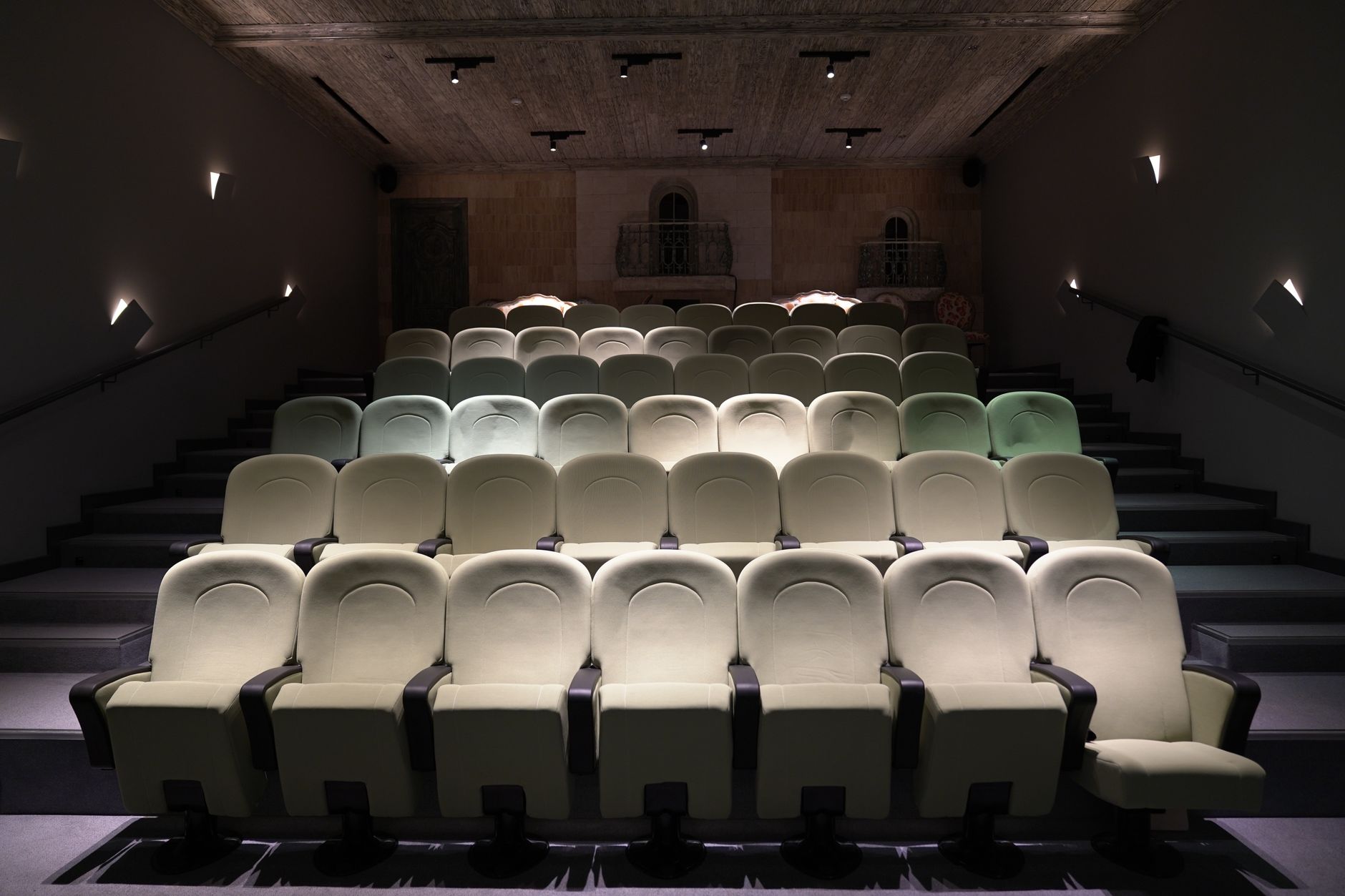
What regulatory framework applies to fire detection in performance venues in Belgium?
Belgian performance venues, theatres and cinemas are subject to the Royal Decree of 7 July 1994 establishing basic standards for fire and explosion prevention, which classifies every building as low, medium or high category according to its height. This classification determines the level of requirements for compartmentation, evacuation and detection equipment. The technical design of the fire detection installation then falls under standard NBN S21-100-1, which defines zoning, types of detectors to be used according to risk and interface principles with other safety equipment. For venues where the public gathers in large numbers in often complex volumes (seating tiers, balconies, stage, fly towers), the risk analysis preceding installation must integrate occupancy density, exit configuration and the scenographic nature of the premises, well beyond simple mechanical application of the standard.
Why do fly towers and sets require enhanced fire detection?
Fly towers (the upper part of the stage where sets and equipment are suspended) and set storage areas concentrate significant heat load in a high-volume space, often poorly naturally ventilated. Set materials (wood, fabrics, foams) burn rapidly and smoke accumulates first in the upper part before descending toward the auditorium. This configuration requires detection capable of early response in a large volume: point-type smoke detection in sufficient numbers according to NBN S21-100-1 zoning, or even linear or aspirating detection in fly tower volumes where conventional point detectors lose effectiveness due to height and air movements from stage machinery. Set storage rooms, often adjacent to the stage, must be subject to distinct detection zoning, as they combine combustible load with limited access for rapid intervention.
What specific risks does stage lighting pose for fire detection?
Stage lighting (spotlights, dimmers, power cabling) constitutes a potential heat and ignition source in immediate proximity to often combustible sets and fabrics. Heat released by certain spotlights, heating of cables under load or poorly ventilated dimmers can initiate a fire without immediately visible smoke in the auditorium. The risk analysis underlying the detection installation must therefore account for these localized hot spots: detector placement near technical catwalks and areas of spotlight concentration, choice of technologies adapted where ambient heat from lighting could interfere with conventional heat detection. The establishment's prevention advisor, in liaison with the installer, must identify these particular risk zones during system design, in accordance with risk principles defined by NBN S21-100-1.
How does detection integrate with the fire safety system and public evacuation?
In a performance venue, fire detection only makes sense if it triggers without delay the functions that protect public evacuation: smoke extraction from the stage volume and auditorium, compartmentation between stage and auditorium, and triggering of the general evacuation alarm. Dense occupancy, exits sometimes limited by seating tier or balcony configuration, and darkness inherent to performances make early detection decisive: the faster the alert, the longer the time available to evacuate under good conditions. The detection system must therefore be designed coherently with the building's overall fire safety system, so that detection of a fire in fly towers or control room automatically triggers appropriate smoke extraction and the general alarm, without depending on manual validation that would delay evacuation. This integration is a central vigilance point during design, not a simple technical addition once installation is complete.
Who inspects and maintains these installations over time?
Maintenance and periodic inspection of fire detection installations in performance venues fall under standard NBN S21-100-2, which establishes maintenance procedures entrusted to a qualified technician, with visits whose frequency depends on installation category and building use. The territorially competent emergency zone (hulpverleningszone) issues an opinion on the installation and conducts inspections, particularly during changes of operation or after work affecting scenography. Using equipment and installers certified BOSEC provides assurance of compliance with Belgian requirements, and ANPI can be consulted as a reference organization for fire prevention. For technical staff (stage managers, stagehands) working in fly towers or catwalks, the Code on Well-being at Work (Book III, Title 3) additionally requires the employer to conduct a fire risk analysis specific to these work positions.
Which venue areas require distinct detection zoning?
A theatre or cinema does not form a single homogeneous volume from a fire risk perspective: each technical zone calls for detection choices coherent with its function and combustible load.
| Zone | Dominant risk | Detection type to prioritize |
|---|---|---|
| Auditorium, seating tiers | Dense occupancy, priority evacuation | Point-type smoke detection, fine zoning per NBN S21-100-1 |
| Fly towers and stage machinery | High-volume space, suspended sets | Enhanced point detection, linear or aspirating depending on configuration |
| Stage and lighting control | Hot spots from stage lighting | Detection adapted to spotlight and cabling concentration areas |
| Set storage | High heat load, limited access | Distinct detection zoning, rapid interface with fire safety system |
This zoning must result from documented risk analysis, not uniform application of the standard across the entire building.
What should a performance venue operator in Belgium remember?
A performance venue operator must ensure their fire detection installation meets their building's classification under the Royal Decree of 7 July 1994, that it was designed according to NBN S21-100-1 accounting for scenographic specificities, and that it is maintained in accordance with NBN S21-100-2. Integration with smoke extraction and general evacuation alarm directly conditions public safety, particularly in complex volumes such as fly towers and set areas. The Belgian context bears recalling: only one person in two has a smoke detector at home, which underscores, by contrast, the importance of reliable professional detection in venues receiving large numbers of public such as performance venues.