What is the frequency of functional tests for fire detectors in Belgium?
There is no single frequency, but three complementary levels of control. The monthly internal check is carried out by the operator or their prevention adviser, without any particular technical qualification. Preventive maintenance, six-monthly or annual depending on the type of installation, is provided by a qualified company. The technical framework for these operations is set by standard NBN S 21-100-2, which organises the maintenance and control of fire detection installations in Belgium. These three levels are not mutually exclusive: the monthly check never exempts from the maintenance visit, and the maintenance visit never exempts from the monthly check. An operator who follows only one of these rhythms leaves an installation partially verified, which becomes visible during an inspection by the emergency zone (hulpverleningszone) or in the event of a fire.
What does the monthly internal check consist of, and who must carry it out?
The monthly internal check is a simple visual and functional verification, within the reach of the operator or prevention adviser, without the intervention of an external technician. It covers the state of the control panel (absence of displayed fault, normal operation indicators), the presence of mains power supply, and the absence of visible obstruction around the detectors. This verification must be recorded in the building's safety register, a document that the emergency zone (hulpverleningszone) may request during an inspection visit. This monthly check does not replace a functional test of each detector: it aims to quickly detect an obvious anomaly (fault indicator lit, mains power cut) between two maintenance visits. It is the first safety net, the one that the operator fully controls, without depending on a technician's visit.
What does six-monthly or annual maintenance by an approved technician consist of?
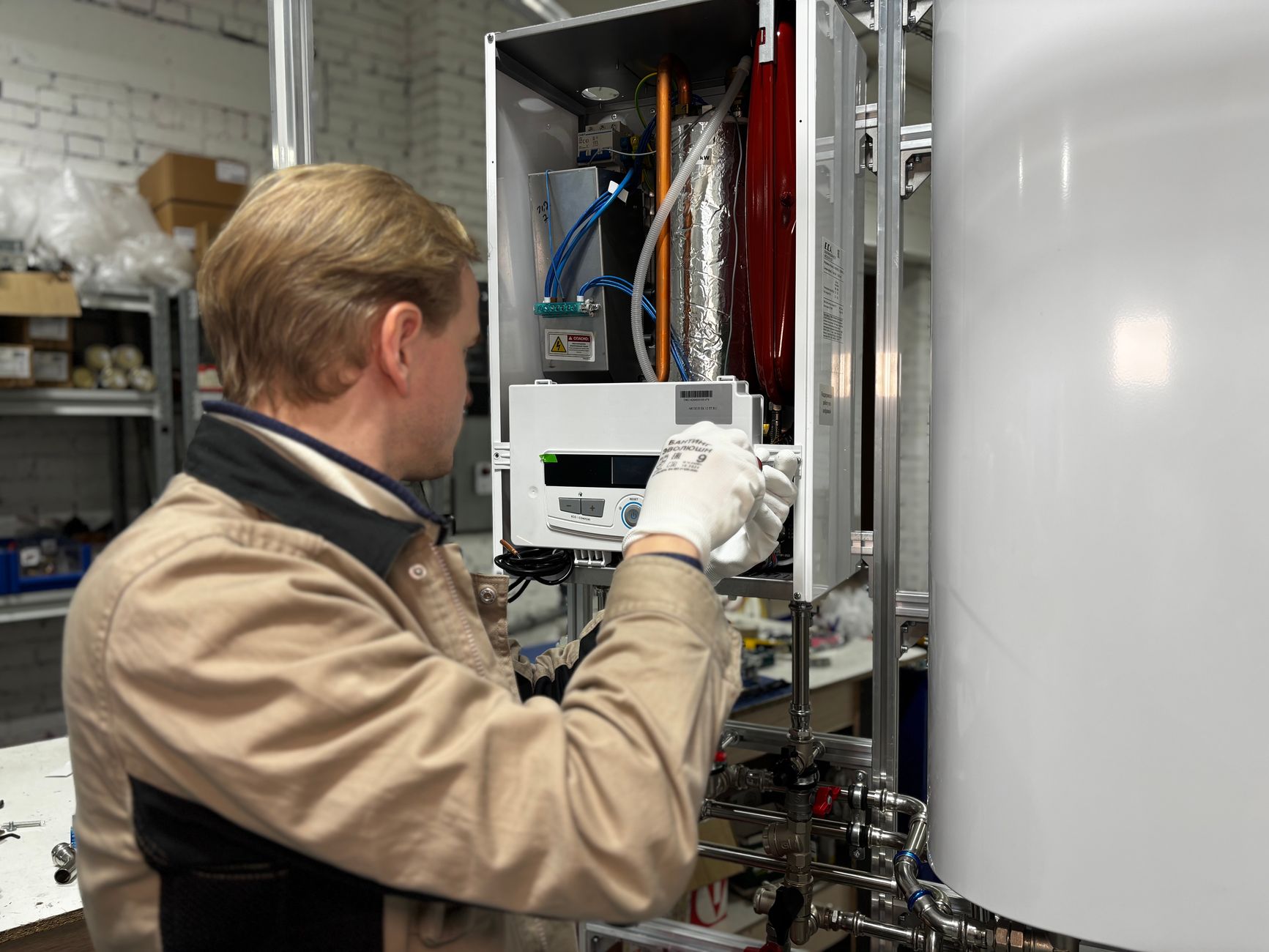
Preventive maintenance is a complete technical intervention, carried out by a qualified company, generally BOSEC certified. It includes the functional test of each detector (smoke, heat, flame depending on the installed technology), verification of power sources and their autonomy, control of connections between detectors and control panel, as well as updating the safety register. The frequency, six-monthly or annual, depends on the type of installation and the building's risk level, as defined by the Royal Decree of 7 July 1994 (low, medium or high building). This intervention requires access to each detection point, which assumes prior organisation with the operator, particularly in sensitive areas (technical rooms, cold rooms, false ceilings).
What does standard NBN S 21-100-2 provide for maintenance and control?
Standard NBN S 21-100-2 is the Belgian reference text for the maintenance and control of fire detection installations. It complements NBN S 21-100-1, which governs design and installation. It organises the distribution of responsibilities between the operator, who ensures routine checks, and the qualified maintenance company, which carries out technical operations requiring access to detectors and the control panel. It also serves as a reference during inspections conducted by approved bodies, such as ANPI, and during emergency zone (hulpverleningszone) visits. Compliance with this standard determines the validity of the installation's BOSEC certification, an element that insurers and emergency zones verify in the event of a fire.
What typical schedule should a professional building operator follow?
This schedule summarises the three levels of control to be combined over one year, for a professional building equipped with fire detection compliant with NBN S 21-100-1.
| Frequency | Carried out by | Main actions |
|---|---|---|
| Monthly | Operator or prevention adviser | Visual check of control panel, power supply check, safety register update |
| Six-monthly or annual | Qualified maintenance company (BOSEC certified) | Functional test of each detector, power source check, connection verification |
| According to schedule set by emergency zone | Emergency zone (hulpverleningszone) or approved body (ANPI) | Periodic compliance check, safety register verification |
This schedule does not exempt the operator from reacting immediately to any fault indicated by the control panel, regardless of the moment in the cycle.
What happens if checks are not carried out according to this schedule?
An installation whose monthly checks or periodic maintenance are not ensured loses its operational reliability, which may be noted during an emergency zone (hulpverleningszone) visit or during the investigation of a file after a fire. The Code on Well-being at Work (Book III, Title 3) requires the employer to ensure fire prevention in the workplace, which includes maintaining detection equipment in working order. In the event of fire, an incomplete safety register or untraced maintenance can complicate the relationship with the insurer, in addition to the direct human risk. Let us recall that in Belgium, only one person in two has a functional smoke detector: in a professional context, where regulations require these installations, rigorous monitoring of the control schedule remains the only guarantee that the system will function when needed.