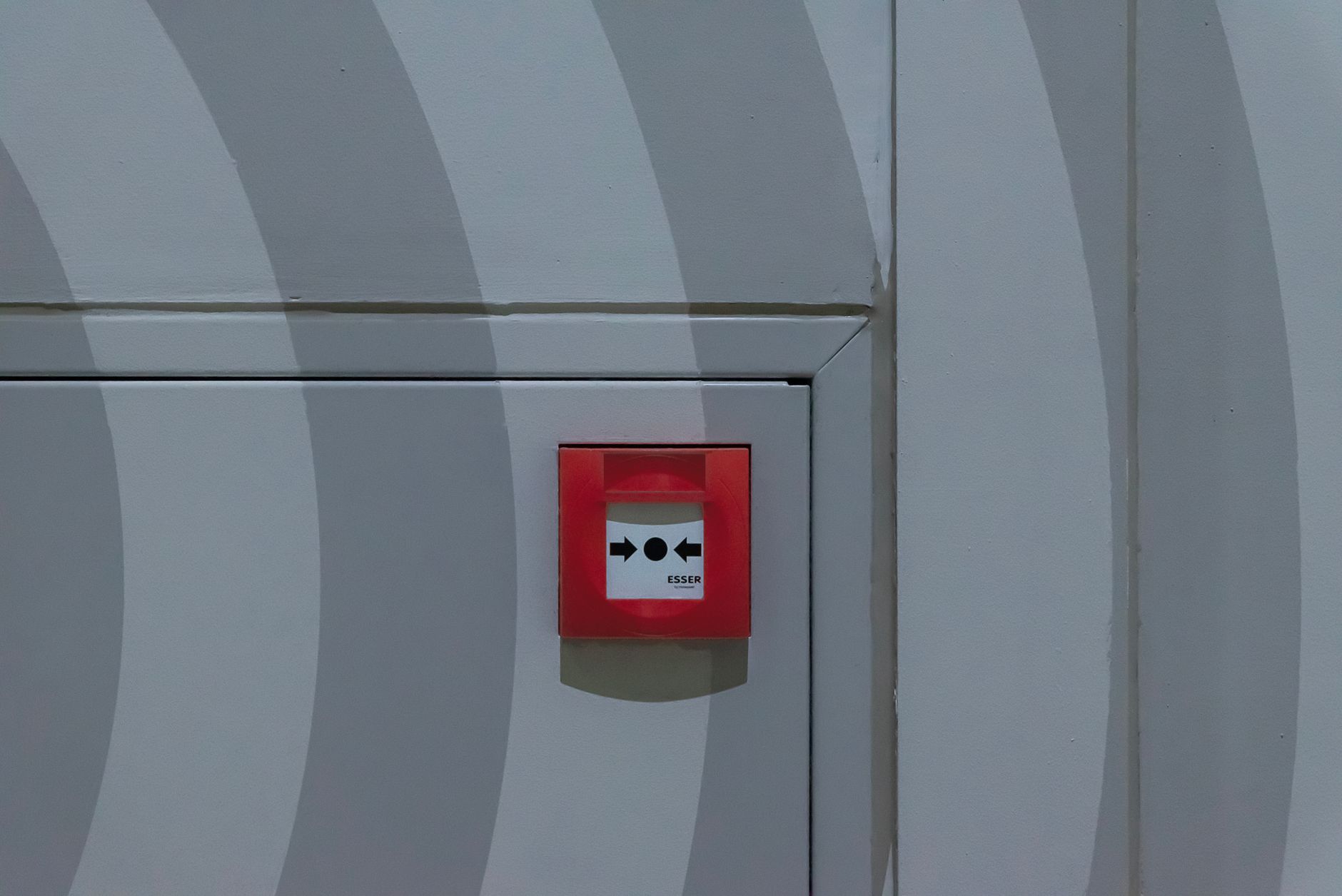
What are the three levels of verification for a fire detection system?
A fire detection system is subject to three distinct and complementary verifications: the functional test, performed internally by the operator, the periodic maintenance visit, performed by a specialised company in accordance with standard NBN S 21-100-2, and the inspection by an approved body, which verifies the installation's compliance with the requirements of the Royal Decree of 7 July 1994. These three levels never substitute for one another: they serve different objectives, involve different actors, and follow different frequencies. Confusing these obligations is a frequent source of non-compliance during emergency zone (hulpverleningszone) visits.
| Level | Who performs it | Frequency | What it verifies |
|---|---|---|---|
| Functional test | Operator or designated person | Daily to weekly | Absence of displayed faults, event log |
| Periodic maintenance | Specialised company (installer) | Defined by contract, according to NBN S 21-100-2 | Complete technical operation of each component |
| Approved body inspection | Independent body | Set by emergency zone | Overall regulatory compliance of the installation |
What is a functional test and who performs it?
The functional test is a simple verification, performed internally by the building operator or a designated person, often the prevention adviser or a member of the technical staff, without intervention from an external company. It consists of checking that the detection control panel is functioning, that no fault is indicated, and that the event log contains no untreated anomalies.
This test requires no specific tools or advanced technical skills: it is a visual observation of the system's status. Its frequency is a matter of internal good practice, generally daily or weekly depending on the site's sensitivity (healthcare facility, industrial site). The result must be recorded in the building's safety register, a document that the emergency zone may request to consult during an inspection.
What does the periodic maintenance visit involve?
The periodic maintenance visit is a technical intervention performed by a specialised company, usually the system installer, in accordance with standard NBN S 21-100-2, which governs the maintenance and inspection of fire detection installations. It includes testing each detector, verifying sirens and alarm relay devices, checking the power supply and backup battery, and updating the technical file.
This visit is more thorough than the functional test: it requires test equipment (smoke or heat generators) and specific technical skills that only a trained company possesses. It results in a written report provided to the operator, kept in the installation file. This is the document that the prevention adviser presents during an inspection by the emergency zone.
What does an inspection by an approved body verify?
The inspection by an approved body is an independent verification of the installation's compliance with the basic standards set by the Royal Decree of 7 July 1994, performed by a body external to both the installer and the operator. This inspection covers the installation's design with regard to standard NBN S 21-100-1 (detector placement, zone division, adequacy with the building category: low, medium or high), and the compliance of the installed equipment, often verified through its BOSEC certification.
Unlike the maintenance visit, this inspection is not limited to technical operation: it verifies that the installation meets the regulatory requirements applicable to the building concerned. Its frequency is not uniformly fixed but depends on the requirements of the competent emergency zone, which may impose it during commissioning, then at regular intervals depending on the building type.
How do these three levels articulate over time?
These three levels of verification articulate in cascade, from the most frequent and simplest to the rarest and most comprehensive. The functional test, daily or weekly, allows detection of an immediate anomaly visible on the control panel. The periodic maintenance visit, organised by the specialised company according to NBN S 21-100-2, verifies the complete technical condition of the installation at intervals defined by the maintenance contract. The inspection by the approved body occurs at a more spaced rhythm, set by the emergency zone, to validate overall regulatory compliance.
In practice, periodic maintenance often conditions the result of the regulatory inspection: an approved body quickly notices the absence of maintenance reports and may refuse to validate the compliance of an installation whose maintenance has not been documented.
What happens if one of these inspections is neglected?
Neglecting one of these three levels of verification exposes the operator to a faulty detection system at the moment it would be most needed, and to non-compliance noted during an emergency zone inspection. The Code on Well-being at Work (Book III, Title 3, fire prevention in the workplace) requires the employer to maintain fire protection equipment in working order, which includes the effective performance of these three levels of inspection.
The issue goes beyond mere administrative compliance: according to the European Fire Sprinkler Network, 70% of companies affected by a major fire never recover, and fire is among the top ten causes of bankruptcy in Belgium. A neglected functional test or postponed maintenance can transform a manageable fire start into a major disaster.