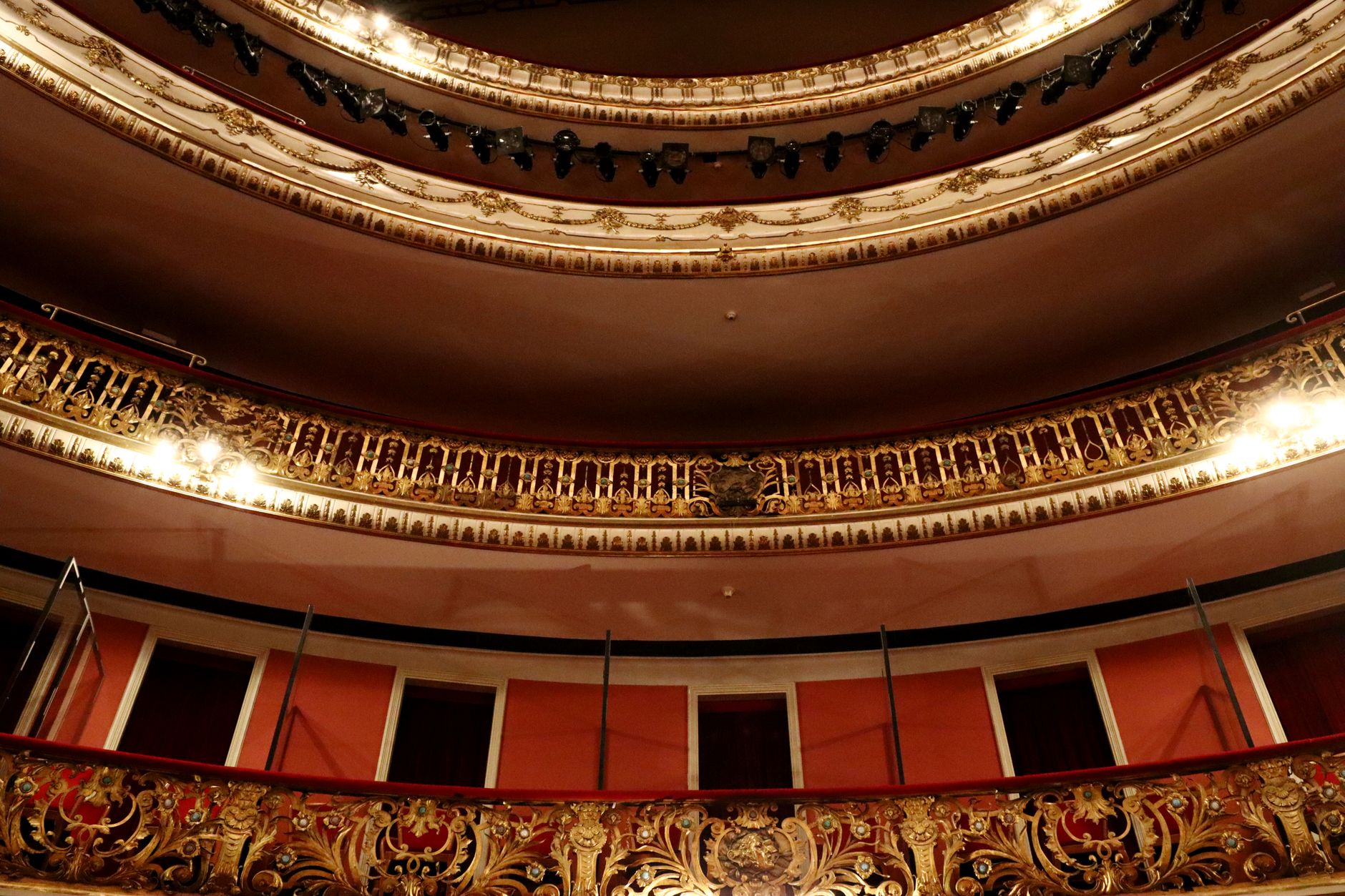
Why do theatres and performance venues require specific fire detection?
A theatre or concert hall combines constraints not found in office buildings: high occupancy over short time periods, large-volume stage house with technical fly towers at height, combustible sets and textiles, motorised stage machinery and frequent use of artificial smoke or stage fog. This combination complicates standard automatic detection: a conventional optical detector placed above the stage risks triggering an alarm with every stage effect, while the same volume must remain continuously monitored against actual fire outbreak. The establishment's prevention advisor and the installer must therefore study each zone separately: stage, fly towers, understage, dressing rooms, control room, auditorium itself. There is no standard solution transferable from one venue to another; the stage house configuration and the nature of performances hosted determine the technical choice.
How to avoid false alarms linked to artificial smoke and stage fog?
Artificial smoke (smoke machines, haze, light pyrotechnic effects) is the main source of false alarms in these establishments. The technical response relies on multi-criteria detection, which combines an optical sensor and a thermal sensor in the same housing and only triggers if both thresholds are exceeded simultaneously, filtering out most stage smoke without masking a real fire outbreak. For the most exposed zones, an aspiration detection system allows different sensitivity thresholds to be set according to time slots (rehearsal with effects, performance, empty venue), under the responsibility of the prevention advisor and with traceability of settings. In all cases, the choice and configuration must remain documented in the installation file, as detection made less sensitive to tolerate stage effects can never be reduced to the point of delaying detection of a real incident.
What detection technology suits technical fly towers and the stage house?
Technical fly towers pose a height and volume problem: hot air and smoke take time to reach a ceiling sometimes located several metres above the stage, and access for maintenance is constraining. Several technologies complement each other depending on the zone to be covered.
| Zone | Main constraint | Suitable technology |
|---|---|---|
| Stage and scenic effects | Frequent artificial smoke | Multi-criteria optical/thermal detection |
| Fly towers and great height | Smoke stratification, large volume | Linear beam optical detector |
| Catwalks and difficult-access battens | Complex maintenance, heat from spotlights | Heat-sensitive cable or aspiration detection |
| Understage and technical rooms | Fire load, electrical cabling | Conventional point optical or thermal detection |
The final choice remains the responsibility of the design office and the BOSEC-certified installer, based on the stage house plan and actual venue use.
How must fire detection be coordinated with stage smoke extraction?
Fire detection and stage smoke extraction must function as a single system, controlled by the installation's control and indicating equipment (CIE). As soon as a detector located on the stage or in the fly towers goes into alarm, the CIE must automatically trigger the opening of smoke vents located above the stage house and, depending on building design, the closing of the fire curtain separating the stage from the auditorium. This interlock serves a precise objective: rapidly evacuate heat and smoke through the top of the stage house before they invade the auditorium where the public is located. The cause-and-effect matrix describing these sequences (which detector triggers which smoke extraction device) must be documented and verified at each inspection, as a stage often comprises several distinct detection zones that should not all control the same vents.
What Belgian regulatory obligations govern performance venues?
Performance venues in Belgium fall under the Royal Decree of 7 July 1994 establishing basic standards for fire and explosion prevention, which classifies buildings according to their height (low, medium, high) and imposes detection, alarm and evacuation requirements adapted to building occupancy. The design and installation of automatic detection must comply with standard NBN S21-100-1, with maintenance and inspection falling under NBN S21-100-2. For venue staff (technicians, reception staff, stage managers), the Code on Well-being at Work (Book III, Title 3) requires the employer to conduct a fire risk analysis specific to the workplace, distinct from requirements concerning the public. The territorially competent emergency zone (hulpverleningszone) provides an opinion on the file and conducts periodic inspections of the establishment.
What maintenance for a detection installation in a performance venue?
A detection installation in a performance venue requires closer monitoring than an office building, as fly tower detectors are exposed to set dust, heat from spotlights and artificial smoke residues that foul optical sensors. Standard NBN S21-100-2 sets out maintenance and periodic inspection procedures, to be carried out by a qualified maintenance company, with verification of proper functioning of each detector and consistency of the cause-and-effect matrix with stage smoke extraction. Periods of high activity (festival, performance season) justify more frequent visual inspections of detectors most exposed to stage effects, in addition to the formal maintenance contract. The installation register must keep a record of each intervention and each configuration modification linked to a new performance.
How to organise alarm and evacuation for a large audience?
The fire alarm in a performance venue must be audible and comprehensible despite high sound levels during a performance, often requiring coupling with the sound control system for automatic cut-off or attenuation of music broadcast upon triggering. The evacuation procedure must provide sufficient emergency lighting to guide the public to exits in case of auditorium darkening, a frequent condition during a performance. Staff present (reception, control, technicians) must be trained in the possible restricted alarm procedure, which allows verification of the incident's reality before broadcast to the public in certain establishments, always under the responsibility of the prevention advisor and in agreement with the competent emergency zone.
Who to contact for installation design and inspection?
The design of fire detection for a performance venue falls to a BOSEC-certified installer, the only party authorised to guarantee the study's compliance with standards NBN S21-100-1 and -2. The ANPI organisation can provide technical support or opinions on particular design points, notably the articulation between detection and stage smoke extraction. The emergency zone remains the regulatory contact for prior project opinion and for periodic inspections of the establishment once in operation.