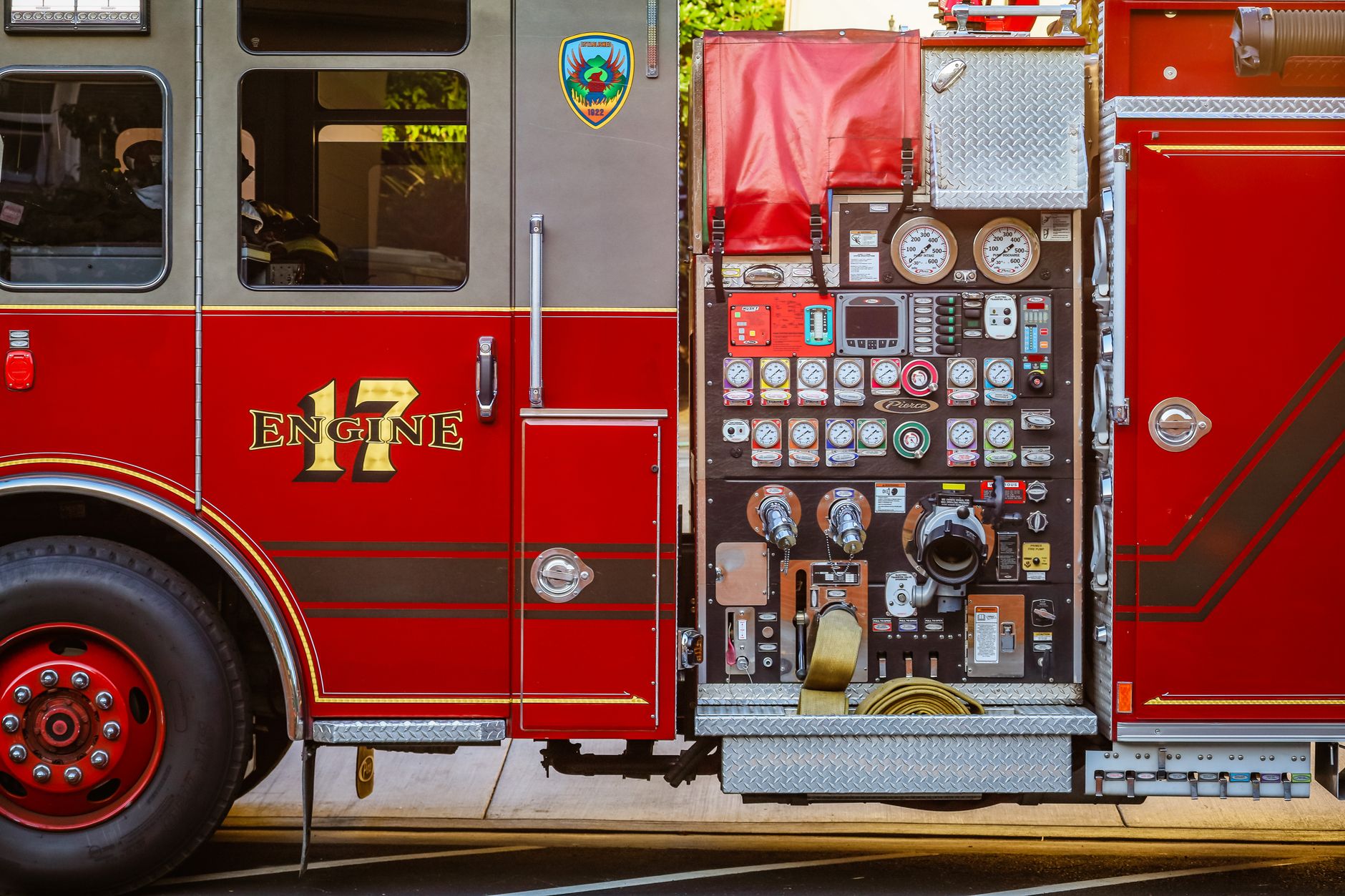
Who is responsible for training staff on the fire control panel?
Training staff to read the signalling panel and fire control panel is the employer's responsibility, organised through their prevention advisor. The Code on Well-being at Work, Book III, Title 3, dedicated to fire prevention in the workplace, requires the employer to ensure that workers are informed of measures to take in case of fire. This obligation extends beyond the designated surveillance attendant for the control panel: it concerns any staff member likely to face the installation (reception, maintenance, night staff). The BOSEC-certified installer can provide the technical part of the training (operation of indicator lights, acknowledgement procedure), but the responsibility to organise and document this training remains with the employer, not the installer.
What is the difference between the designated surveillance attendant and other trained staff members?
The designated surveillance attendant is the person specifically appointed by the operator to monitor the fire control panel, according to requirements specific to certain buildings (healthcare establishments, medium or high-rise buildings as defined in the Royal Decree of 7 July 1994). Other staff members do not have this designated function, but must nevertheless know how to read the indicator lights and react correctly if they find themselves alone facing the control panel outside the attendant's working hours. This distinction matters: the attendant receives in-depth and recurring training, while others receive targeted awareness of basic actions and the limits of what they can do alone. The most sensitive point remains resetting, which must never be performed without prior physical verification of the alarm's origin.
What actions on the signalling panel must staff know?
Staff not designated as attendants must know how to recognise three indicator light states on the signalling panel: the fire alarm indicator, the fault indicator, and the zone out-of-service indicator. They must know the acknowledgement procedure, which silences the local audible signal without extinguishing the general alarm, but must never reset the control panel without a physical verification of the concerned zone having been carried out by a competent person.
| Role | Read indicators | Acknowledge | Reset | Required training |
|---|---|---|---|---|
| Designated surveillance attendant | Yes | Yes | Yes, after verification | In-depth and recurring |
| Non-designated staff | Yes | Yes, according to strict instruction | No | Basic action awareness |
| Prevention advisor | Yes | Organisational role | No | Knowledge of regulatory framework |
| BOSEC-certified installer | Yes | Yes during intervention | Yes during technical intervention | BOSEC certification |
The instruction to remember when in doubt: call the emergency zone (hulpverleningszone), never reset "to see".
What are the risks of incorrect control panel manipulation in a real situation?
Incorrect manipulation of the signalling panel in a real situation can delay emergency services intervention and mask a real fire outbreak. Acknowledging an alarm by reflex, without checking the concerned zone, interrupts the local audible signal while the fire source may continue to develop. Resetting the control panel without physical inspection returns the installation to standby state when a real detection has occurred, depriving the building of protection during the remainder of the event. In Belgium, 70% of fire victims die at night due to smoke: a bad reflex taken on a control panel by untrained staff, present outside the attendant's working hours, can directly worsen this type of situation by delaying the alert when it matters most.
Who can provide the training: installer, prevention advisor or external organisation?
Technical training on reading the panel and authorised manipulations is generally provided by the BOSEC-certified installer who carried out or maintains the installation, as part of periodic inspections required by standard NBN S21-100-2. The company's prevention advisor organises this training, determines the audience (day staff, night staff, maintenance staff) and ensures traceability in the fire prevention file. ANPI can be consulted as a technical resource on procedures and best practices, without replacing the installer or prevention advisor. No text reserves this training to a single organisation: what matters for the employer is being able to demonstrate, in case of inspection by the emergency zone, that the concerned staff received information appropriate to their actual role in the building.
How frequently must the training be repeated?
No single legal periodicity imposes a fixed rhythm for training non-designated staff on the fire control panel. Best practice consists of integrating it into each evacuation drill, and systematically renewing it upon any change of staff assigned to reception, maintenance or night work, as well as after any significant modification to the installation (extension, control panel change, zone addition). The periodic inspection of the installation required by NBN S21-100-2 is a natural opportunity to review acknowledgement and reset procedures with the installer and staff present that day. The absence of a fixed date in the texts does not exempt the employer from being able to justify, at any time, that training remains current relative to the building's reality and its staff.